

The Reflection Edition
Photo Assignment 8

First photo assignment of 2026! We’re starting the year with a simple but versatile subject:
Reflections ✨
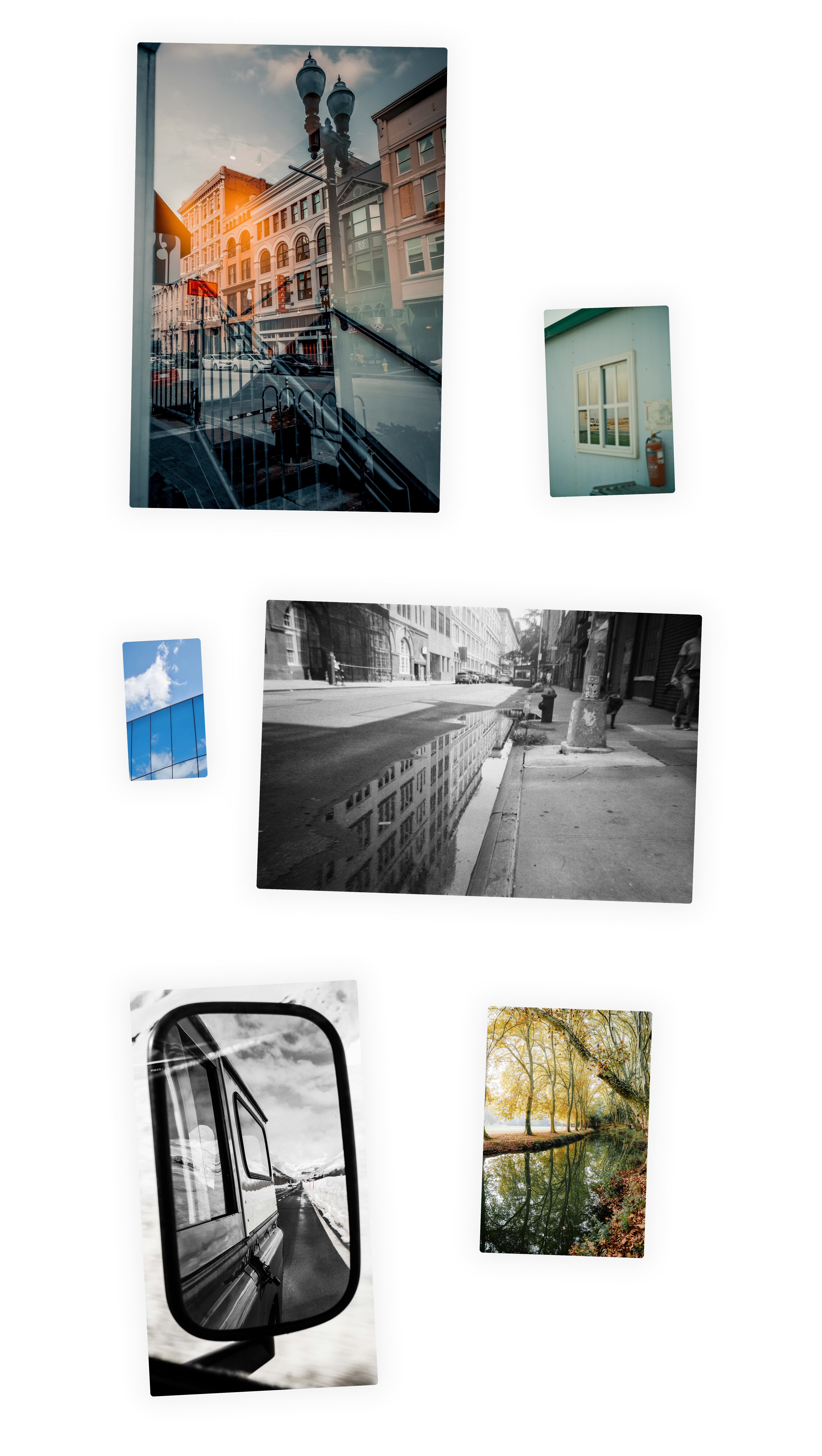
Look for a reflective surface (e.g. a puddle, a window, a mirror) and use it to shape your image.
You decide how prominent the reflection should be.
It can be the first element you notice in the image, or it can be used more subtly, without drawing attention away from the rest of the frame.
Creative guidance
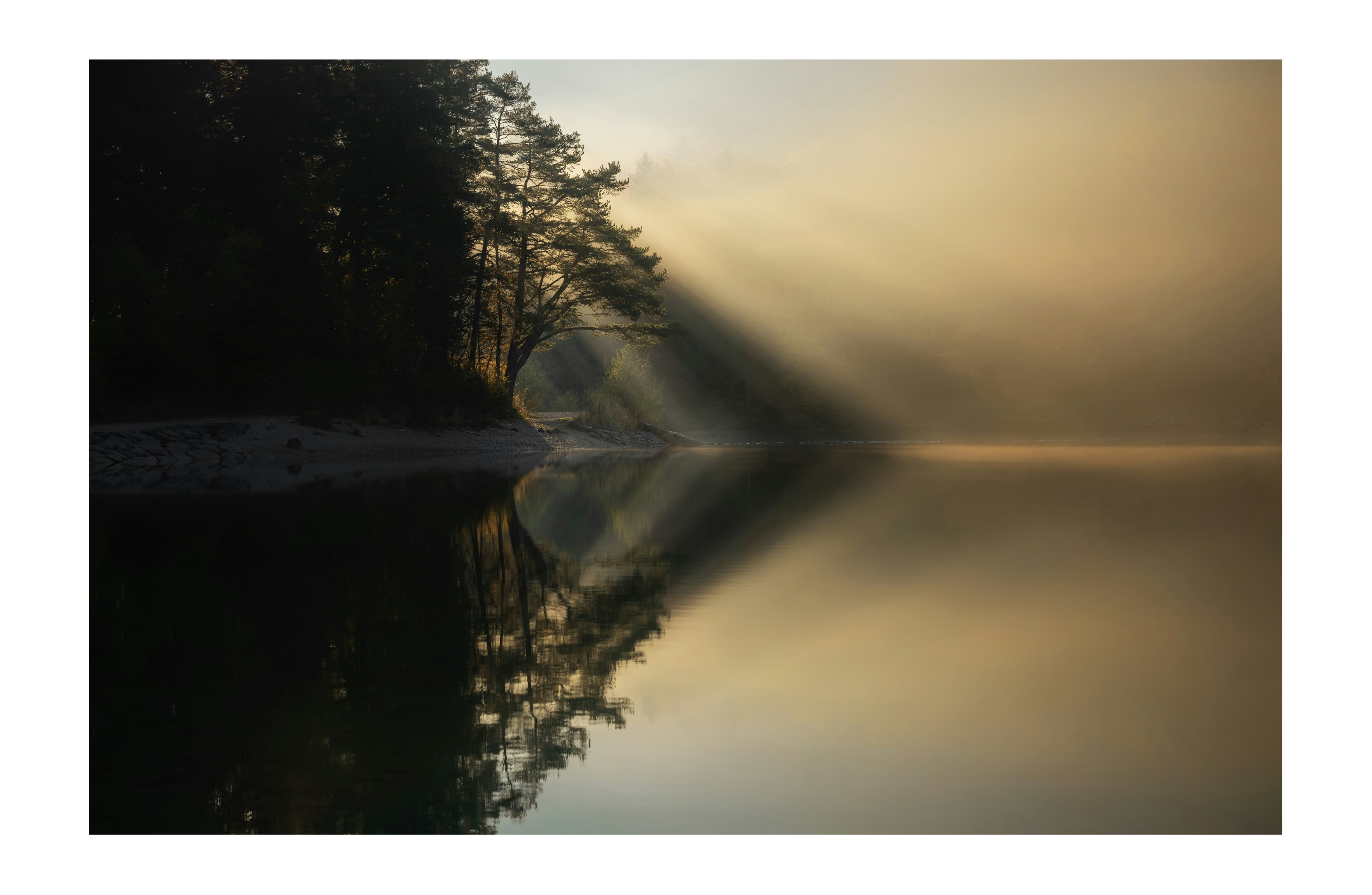
Reflection photography refers to any genre of photography where reflections are captured as part of the image. Used with intention, a reflection can reshape a scene by adding a second layer, introducing depth and texture.
If you’re unsure where to start, use the ideas below as inspiration.
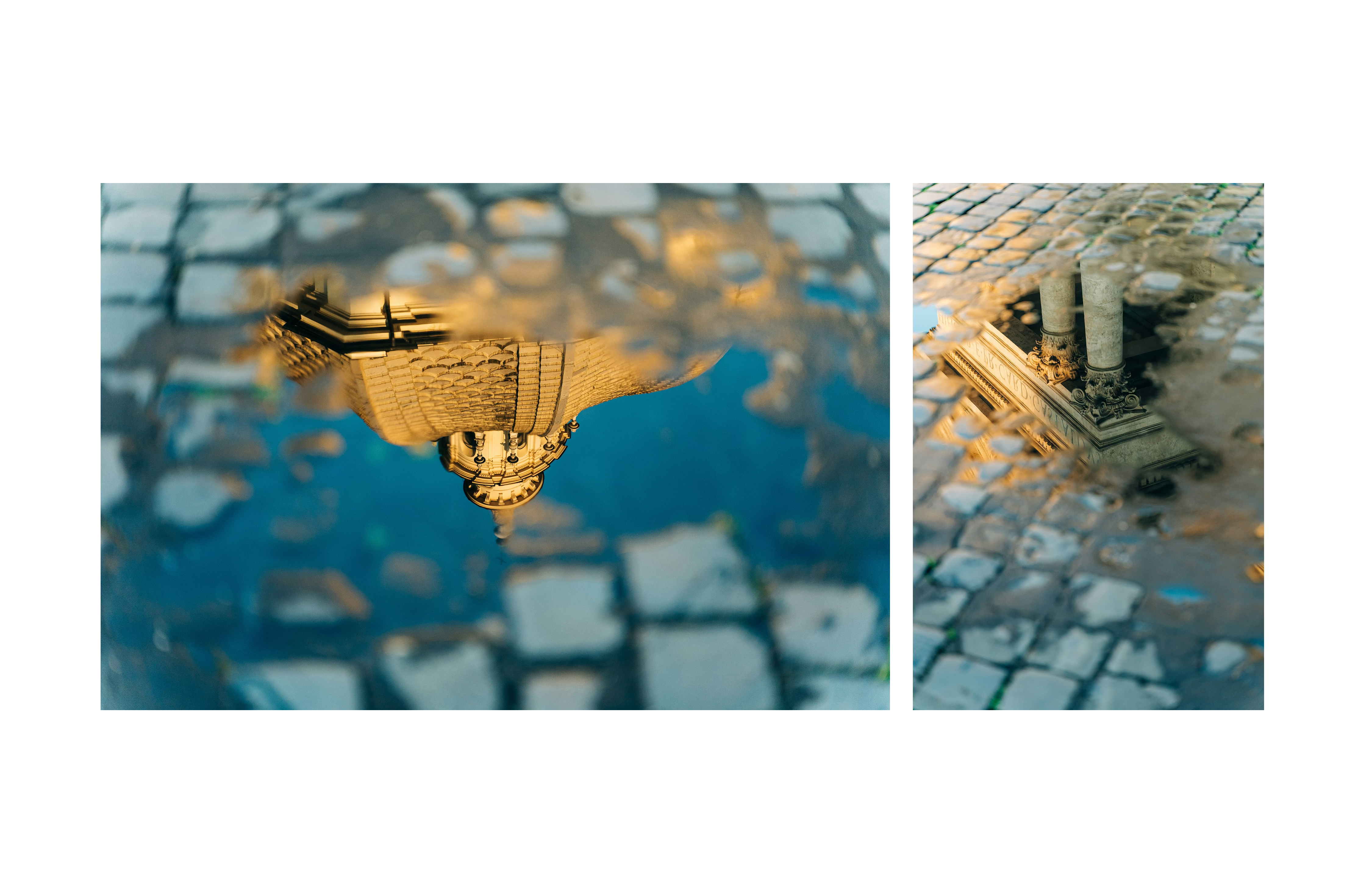
Puddles
Puddles give you reflections at ground level, with a clear edge to frame against. Go low to strengthen the reflection, then shift the camera angle until the reflection and the scene align cleanly.
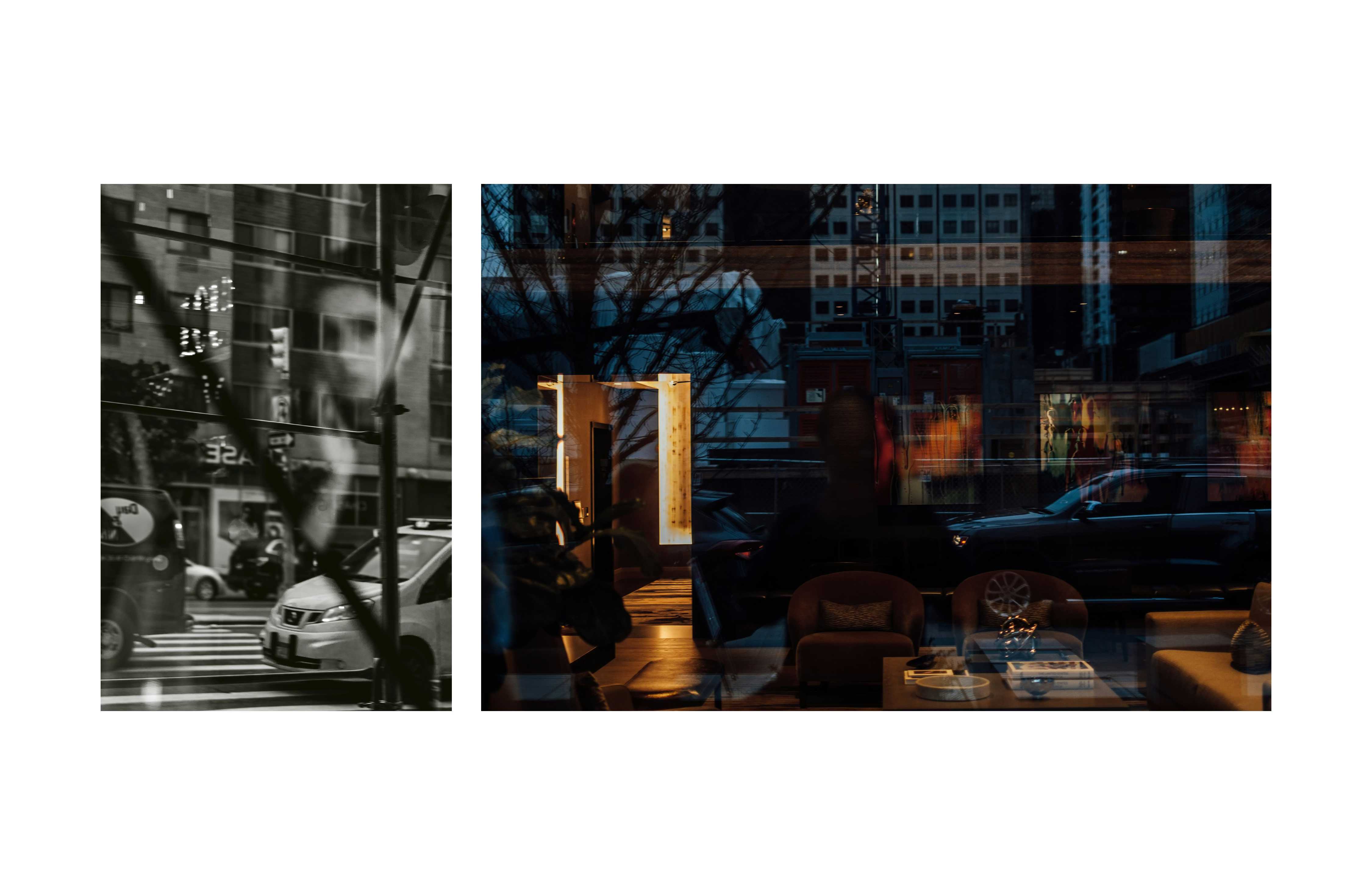
Windows
Windows can show two scenes at once: what’s behind the glass, and what’s reflected on it. Reflections become strongest when the space behind the window is darker, letting the outside scene take over.
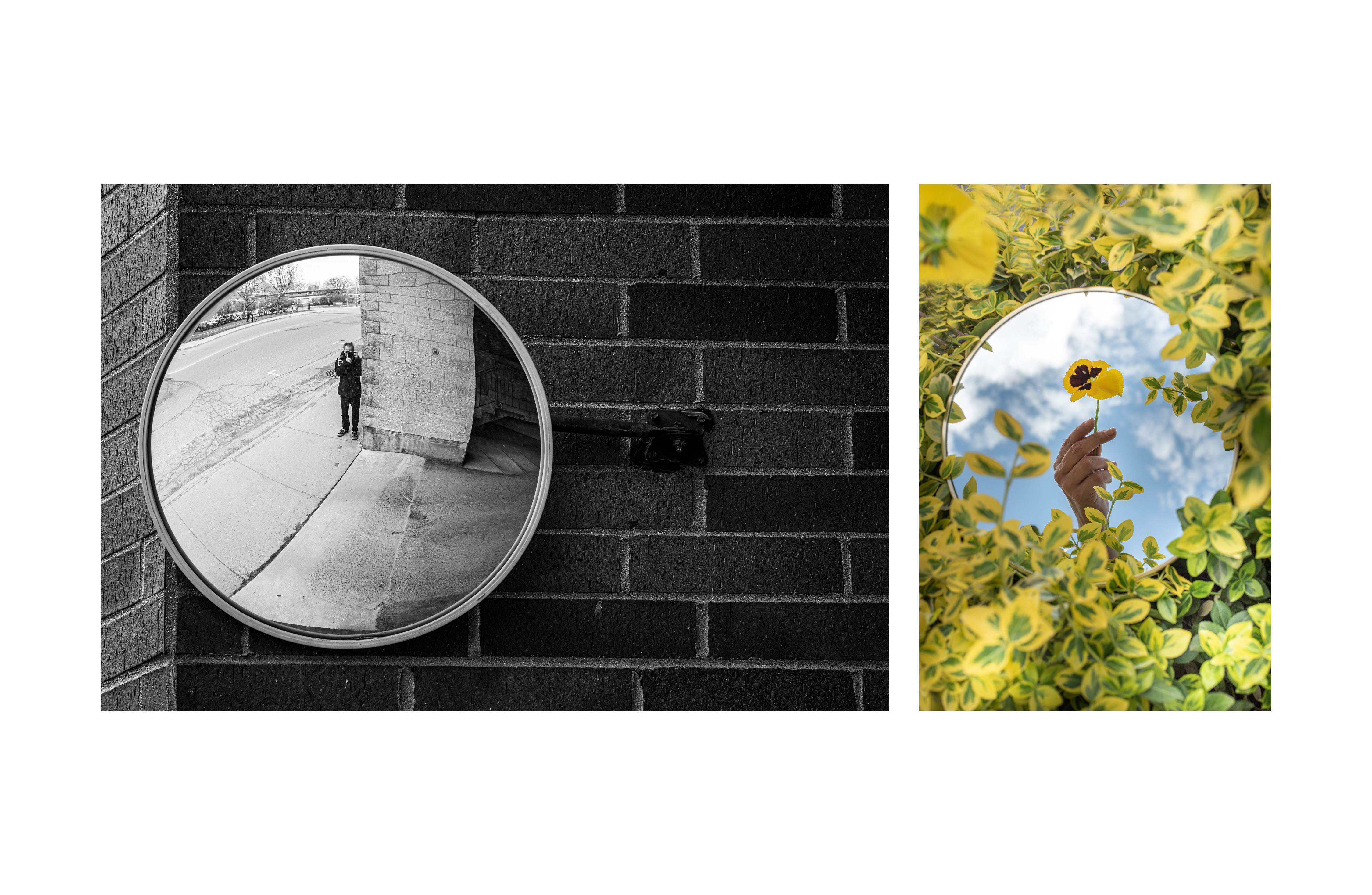
Mirrors
Mirrors give more control. Because they’re made to reflect clearly, you can frame with precision and decide exactly what enters the image.
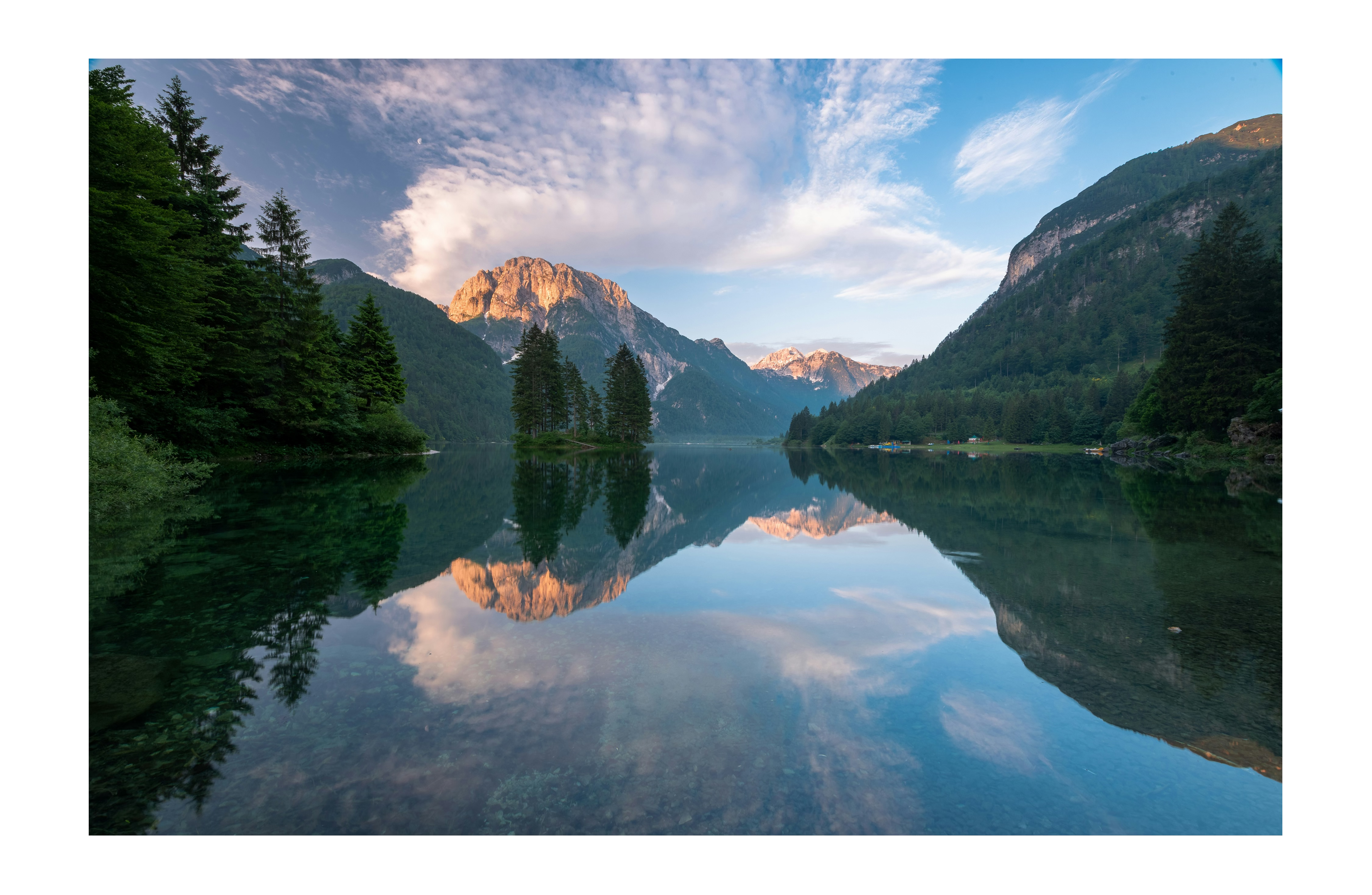
Symmetry
A reflection often creates a natural dividing line. Use it to build a calm, balanced frame where the world mirrors itself. You can keep it perfectly symmetrical, or break it slightly for tension.
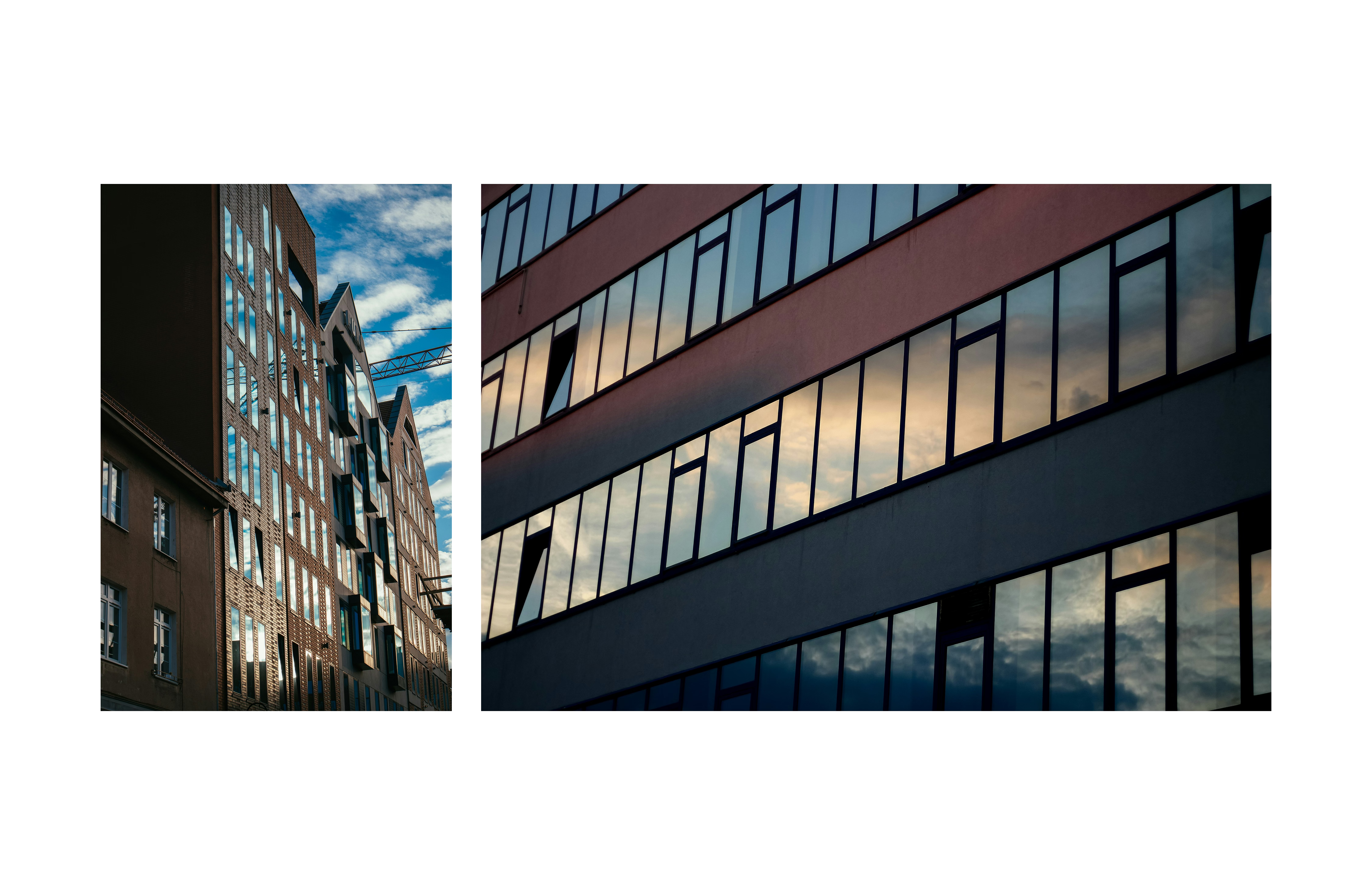
Patterns
Some reflections repeat. Window grids, tiles, rows of glass, or mirrored surfaces can break a scene into sections. Use that repetition to build structure and guide the eye.
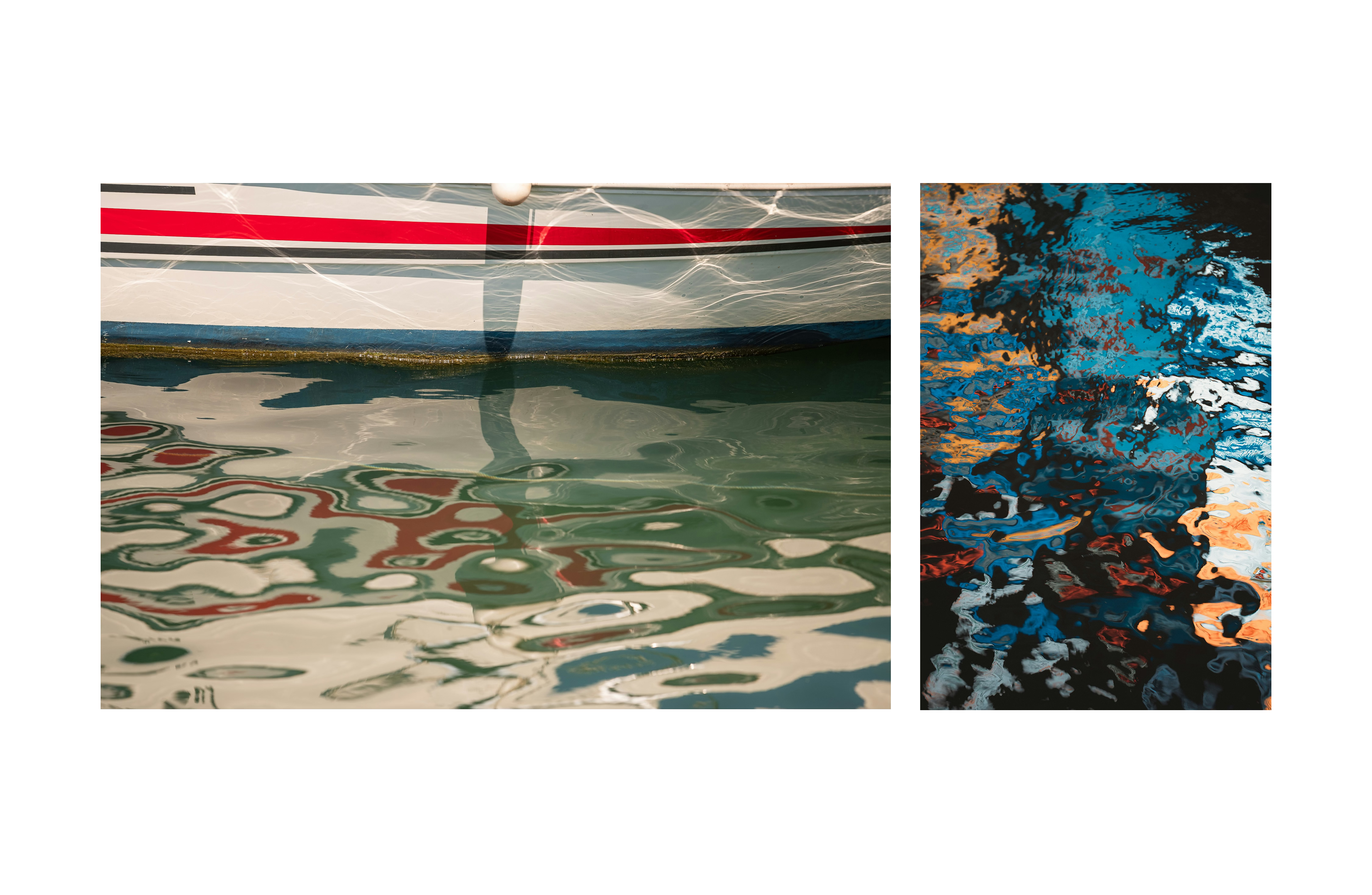
Abstract
A reflection doesn’t need to be literal. Fill the frame, remove context, and focus on the surface. When recognition fades, interpretation begins.
Workflow
Here’s a quick workflow to guide your week with reflections:
Start by noticing: Look for reflective surfaces as you move through a scene; puddles, windows, mirrors. Pay attention to what shows up in the reflection, and what disappears.
Choose the role of the reflection: Decide if the reflection plays a strong role or a supporting layer. Let that choice determine how much of the frame it takes and where the viewer looks first.
Move for alignment: Shift the camera angle until the reflection becomes intentional. Small movements change the balance, symmetry, and overlap.
Refine: Ask yourself: Does every element add to the story? Remove distractions, or give these “distracting” elements a compelling reason to be there.
Showcase your photo
We host the community gallery via Padlet. You’ll need a (free) Padlet account to submit your photo.
Click the button ‘Submit photo’ below.
Log in with (or create) a free Padlet account.
Upload your image and include a short caption if you want.
Hit publish and you’re in! 🎉
By participating, you agree to our Terms of Service and Privacy Statement.
That’s it for Photo Assignment 8: The Reflection Edition.
If you have any questions, ideas or just want to say hi → hello@camerasetup.co
We’re looking forward to seeing how you start 2026! :)
Best,
The CameraSetup Team