

Assignment 4: The Alphabet Project
Your next Photo Assignment, camera angles and how to submit

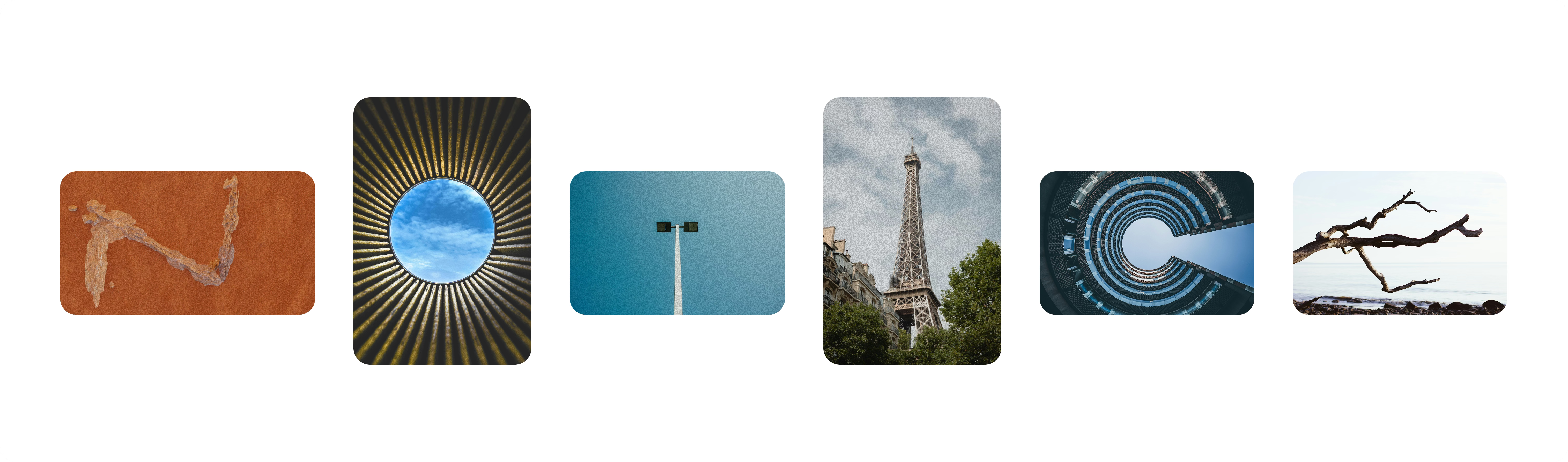
Look closely. Do you see it?
Everywhere we look, the world is full of shapes, curves, lines, and patterns.
Shadows bend, edges meet, objects overlap…
…and suddenly, the ordinary starts to feel like something more.
This week, we’re turning that observation into a challenge.
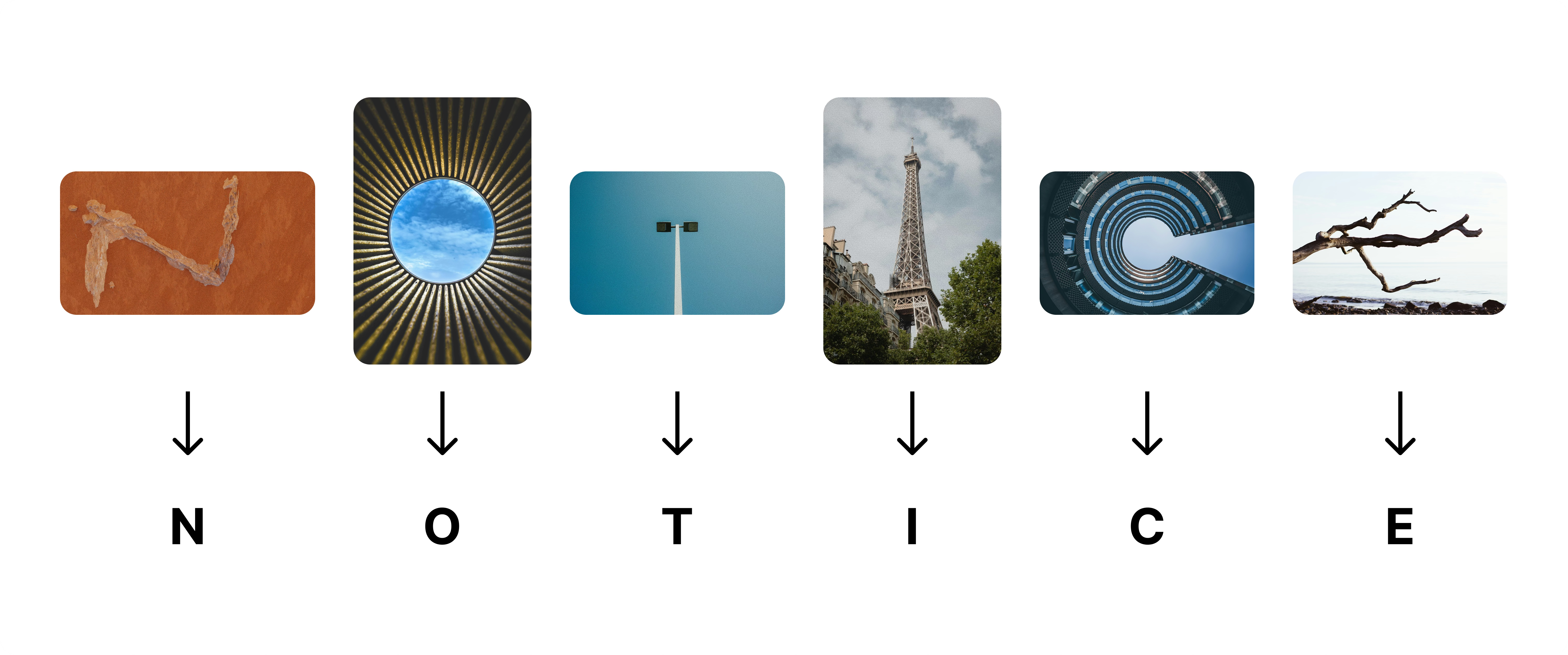
It’s about training our eyes to see beyond what things are, and start noticing what they could be.
Here’s what’s inside this week’s assignment:
✨ The assignment itself
✨ Example submissions
✨ How to submit
✨ Creative guidance
✨ A workflow
Photo Assignment 4 starts now 👇
Your assignment
This week, your challenge is to photograph a letter from the alphabet.
Not one that already exists as text, but one you discover in the world around you.
Think of it as reading the environment:
Noticing how shapes, shadows, structures, and coincidences can suggest a letter without ever being designed as one.
The assignment is to only capture one letter, but if the idea pulls you in, you can take it further and build a series: photograph three, five, or even all 26. It’s completely optional, but a great way to deepen the exercise.
Deliverable: One photograph, clearly communicating a letter from A to Z.
Theme: Observation.
Genre: Completely open — e.g. street, landscapes, architecture, abstracts.
Deadline: Upload your photo to the Community Gallery within 7 days, by Friday, 21 November 2025 at 23:59 UTC. See the section “How to submit” for details on how to submit your photo.
By participating, you agree to our Terms of Service and Privacy Statement.
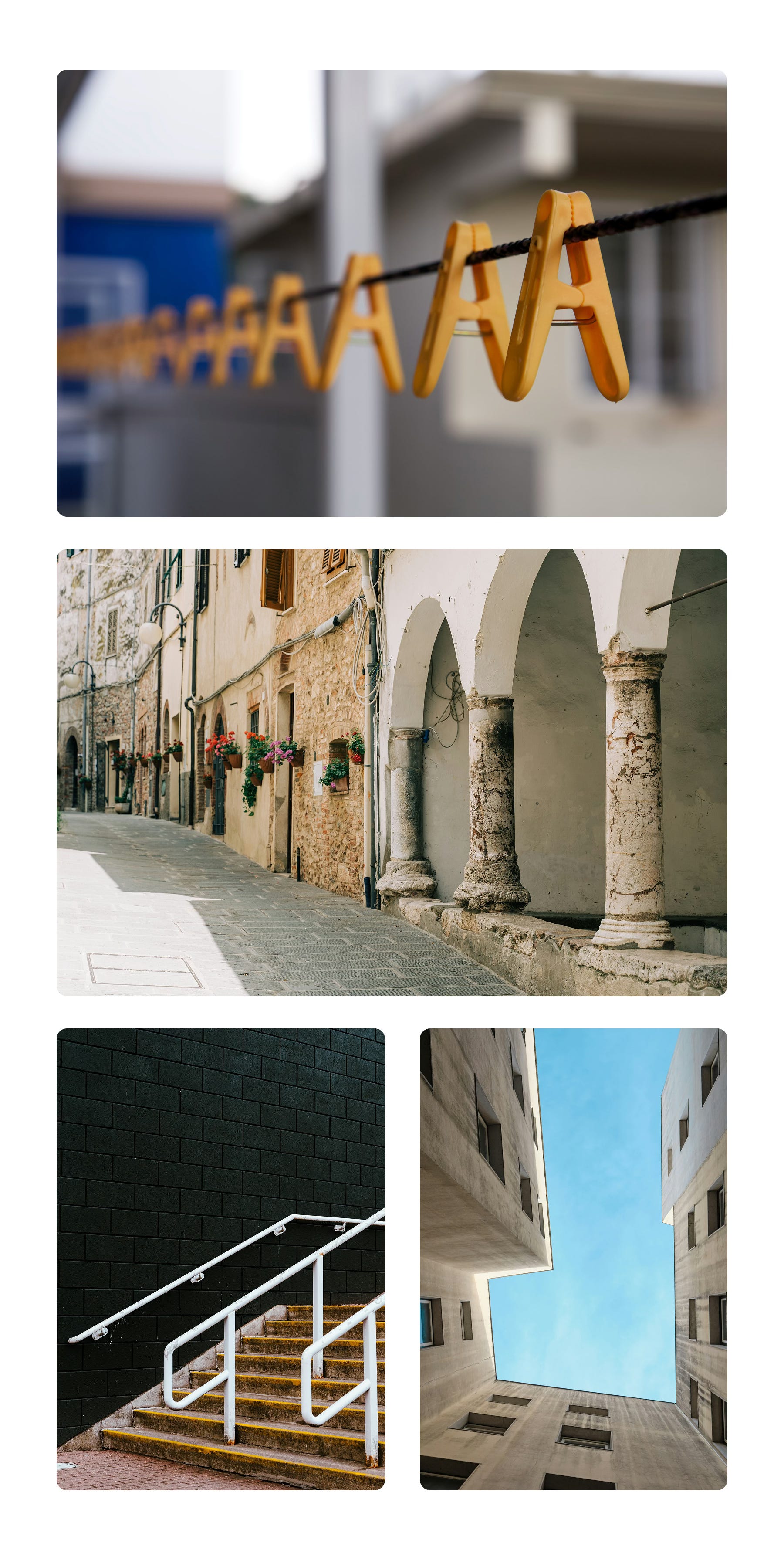
Example submissions
How to submit
We host the community gallery via Padlet. You’ll need a (free) Padlet account to submit your photo.
Click the button ‘Submit photo’ below.
Log in with (or create) a free Padlet account.
Upload your image, add your name & social handle (so we can tag you!), and include a short caption if you want.
Hit publish and you’re in! 🎉
By participating, you agree to our Terms of Service and Privacy Statement.
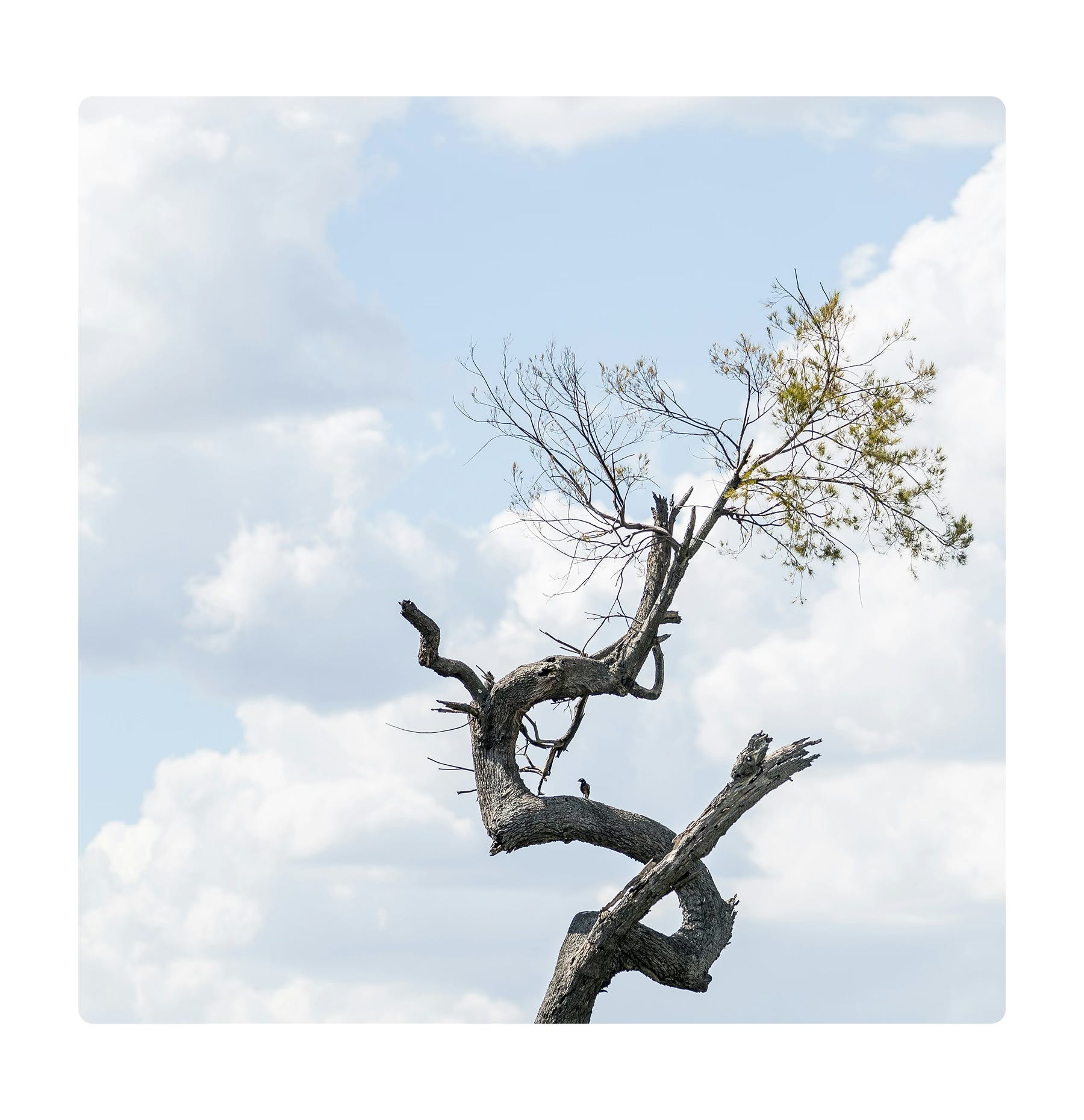
Creative Guidance: The Art of Observation
Finding letters in the world is more than spotting familiar shapes. It’s training your eye to recognise potential. The possibility that an everyday arrangement of lines, edges, shadows, and gaps might read as something else.
This is a shift in perception, and like all refined ways of seeing, it develops through practice.
A simple curve becomes a “C.” Two parallel lines hint at an “H.”
That moment, when shape becomes a letter, is where this assignment lives.
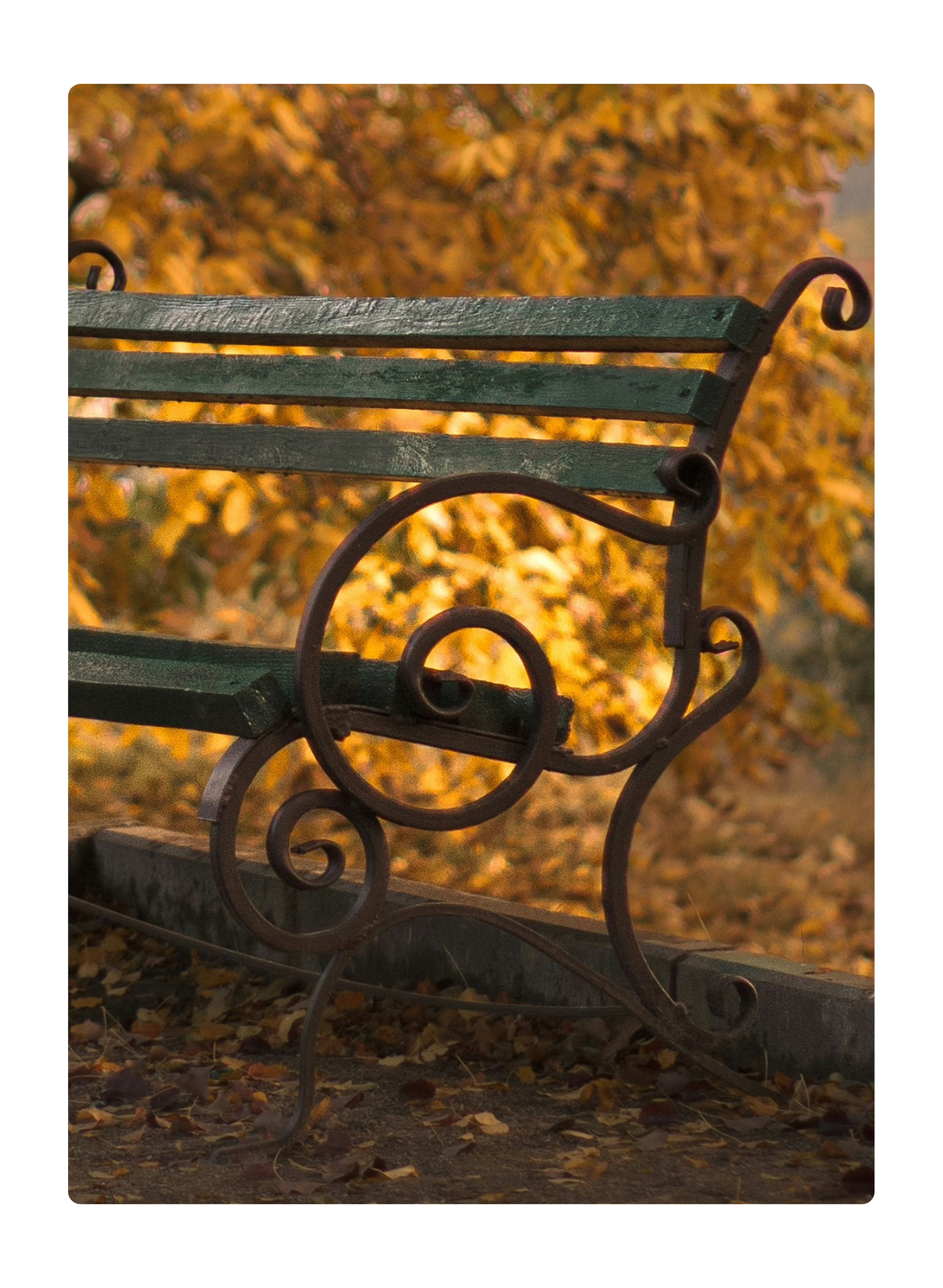
When you slow down and treat a scene as a collection of relationships, how one line connects to another, how a gap creates negative space, how a shadow completes an outline, you begin to notice structures your eyes normally skim past.
You’re not imagining letters that don’t exist; you’re identifying visual logic that does exist, but often hides in plain sight until you look with attention.
And once you start seeing this way, something surprising happens…
Letters stop being rare discoveries and start appearing everywhere.
Expanding your viewpoint
Letters often exist in places we don’t instinctively examine: inside shadows, across reflections, between architectural forms, or in the accidental alignment of everyday objects.
Walk through a street, a park, or a room, and you’ll realise how many fragments of potential letters rest just outside habitual sight.
A small change in viewpoint can shift those fragments into clarity. Looking slightly up or slightly down can turn a loose suggestion into a clearly readable character.
We’ll explore three viewpoints (eye level, low angle, and high angle) to expand your vision and revealing letters that might otherwise be missed.
1. Eye level view
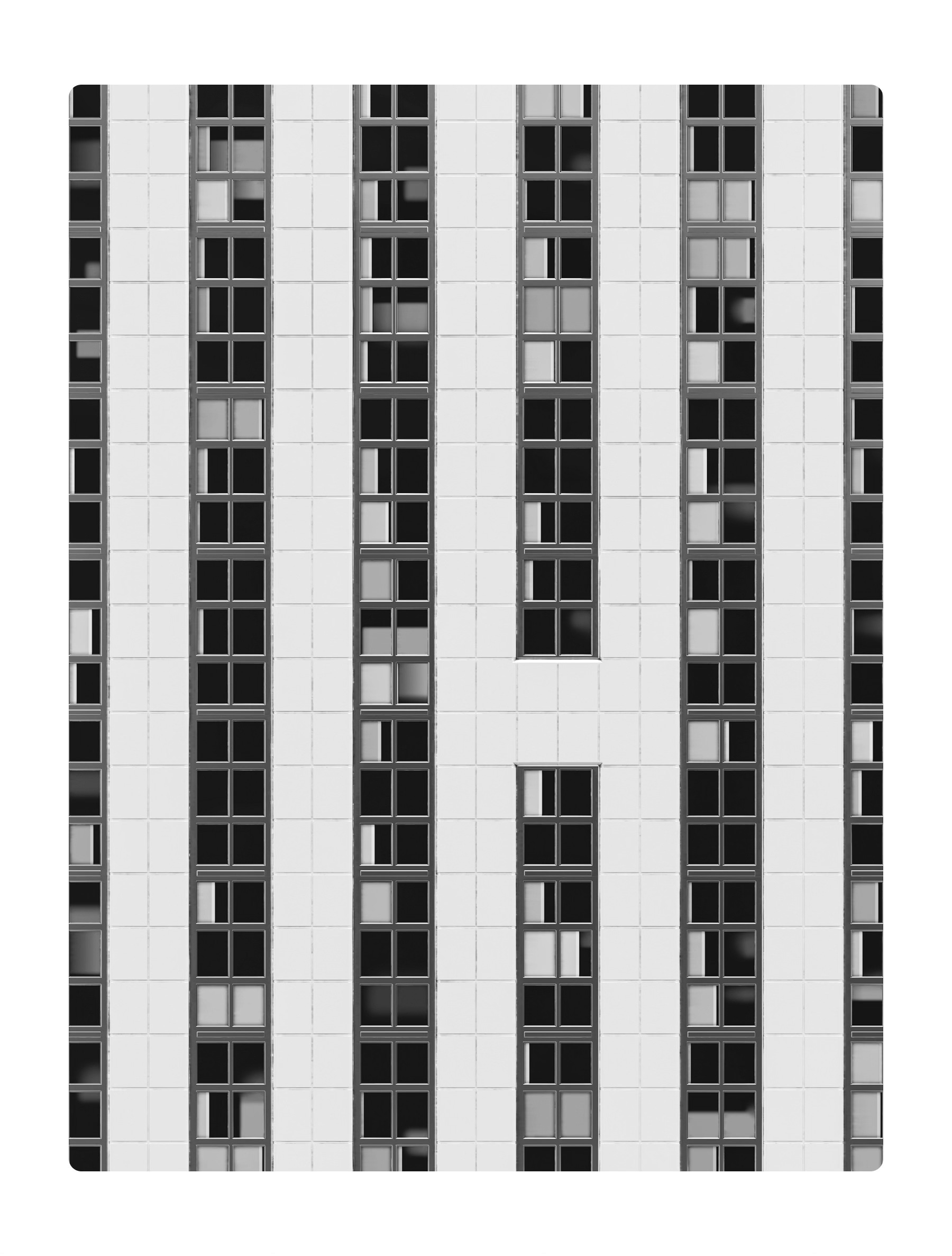
Eye level is the height we naturally see the world from, and it’s often where the first hints of a letter appear.
At this height, proportions feel familiar and relationships are easy to read. Vertical posts, window frames, railings, openings — they reveal themselves without asking much of your imagination.
2. Low angle (worm’s-eye view)
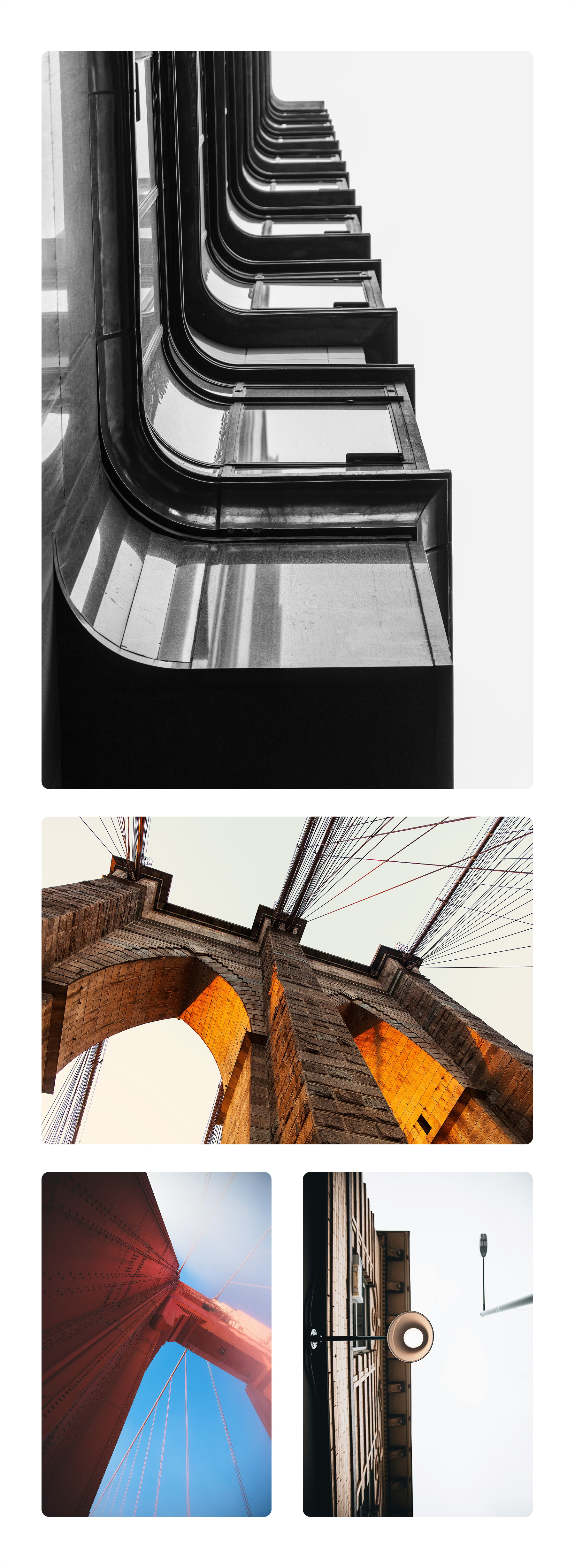
A worm’s-eye view places the camera below the subject and angles it upward.
This changes how pieces of a scene stack and connect. Shapes that felt unrelated at eye level can suddenly line up into a coherent stroke. Shadows near the ground stretch, vertical structures become more pronounced, and the background often simplifies into open sky — all of which can make a potential letter stand out more clearly.
This viewpoint is especially helpful when a letter depends on upward-reaching elements or ground-level details that only make sense when seen from below.
3. High angle (bird’s-eye view)
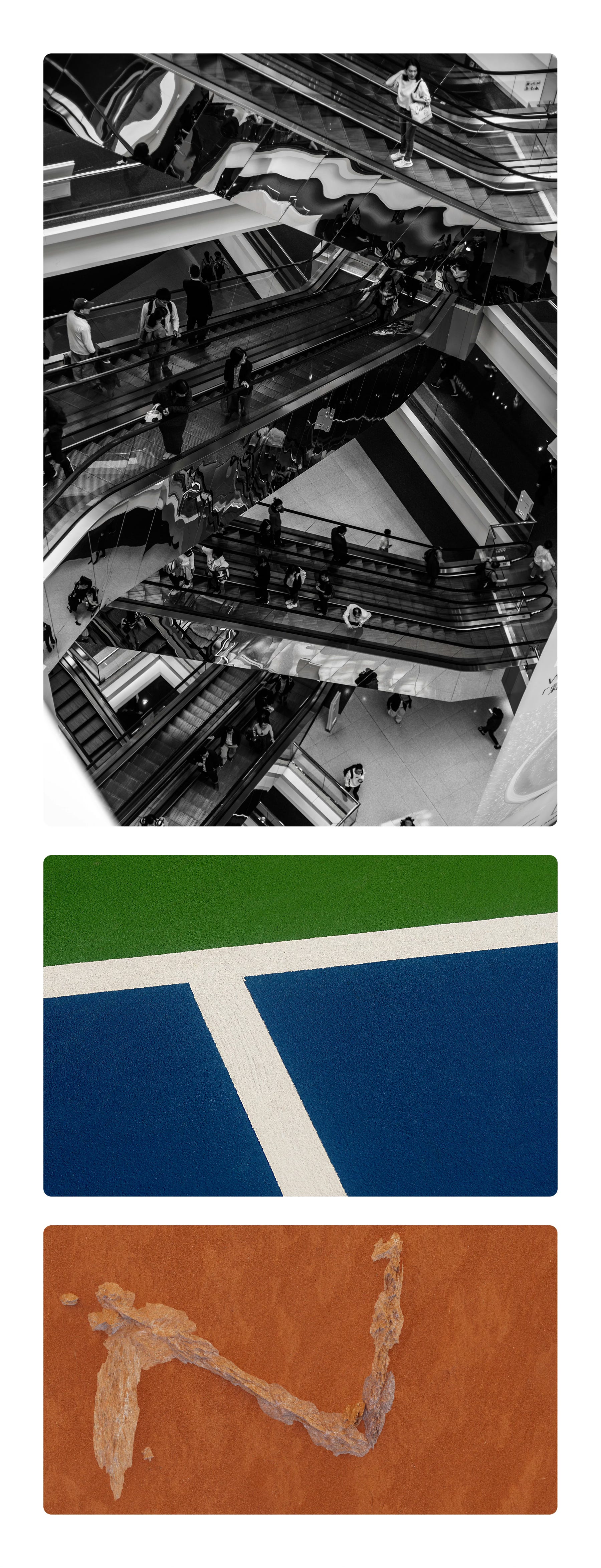
A bird’s-eye view positions the camera above the subject, looking down.
From even a small height, depth begins to flatten and overlapping elements reorganize into cleaner shapes. What felt busy at eye level often becomes more readable when viewed from above.
This angle can be used to uncover letters shaped by negative space or by the way surfaces relate when seen from the top down.
Bringing It All Together for Your Assignment
Here’s a quick workflow to guide your week as you look for alphabet letters:
Pick a letter (or a few): Decide which letter you want to start with. If you’re feeling ambitious, plan a mini-series and note down which letters you’ll be looking for. Having a plan helps you stay focused while exploring.
Notice: Walk through your environment and pay attention. Look for shapes and explore the different angles.
Frame and compose: Once you spot a potential letter, decide how you want to present it. Consider which angle best captures its shape and relationships. Simplify the background when possible, and position yourself so the letter reads clearly without unnecessary distractions.
Refine: Ask yourself: Does every element add to the story? Remove distractions, or give these “distracting” elements a compelling reason to be there.
That’s it for Photo Assignment 4: The Alphabet Project.
Observe closely, explore your angles, and let the letters reveal themselves.
If you have any questions, ideas or just want to say hi → hello@camerasetup.co
We can’t wait to see your results.
Best,
The CameraSetup Team
Use the following link to view the community gallery ↓
🔗 https://padlet.com/camerasetup/photo_assignment_4